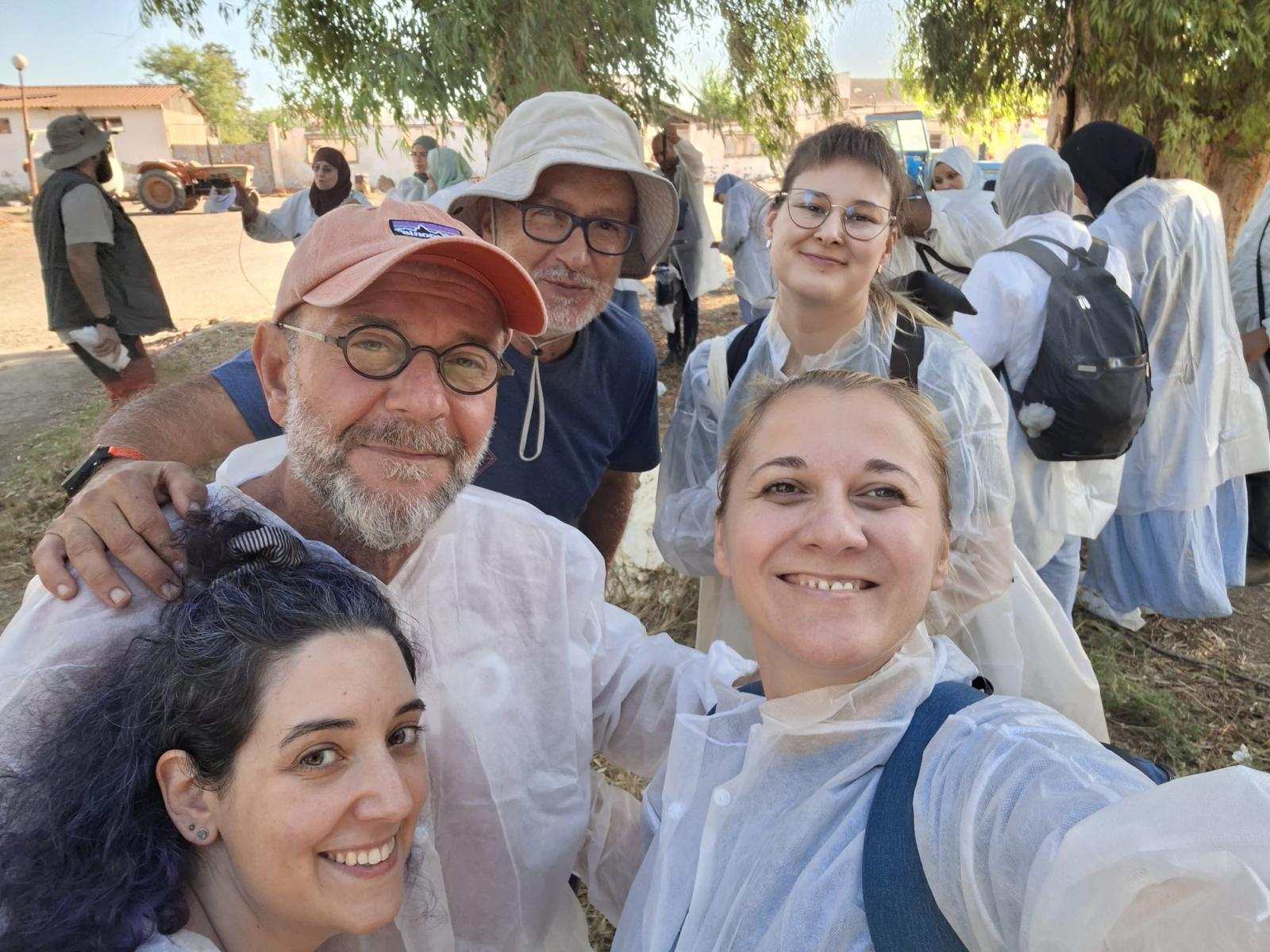
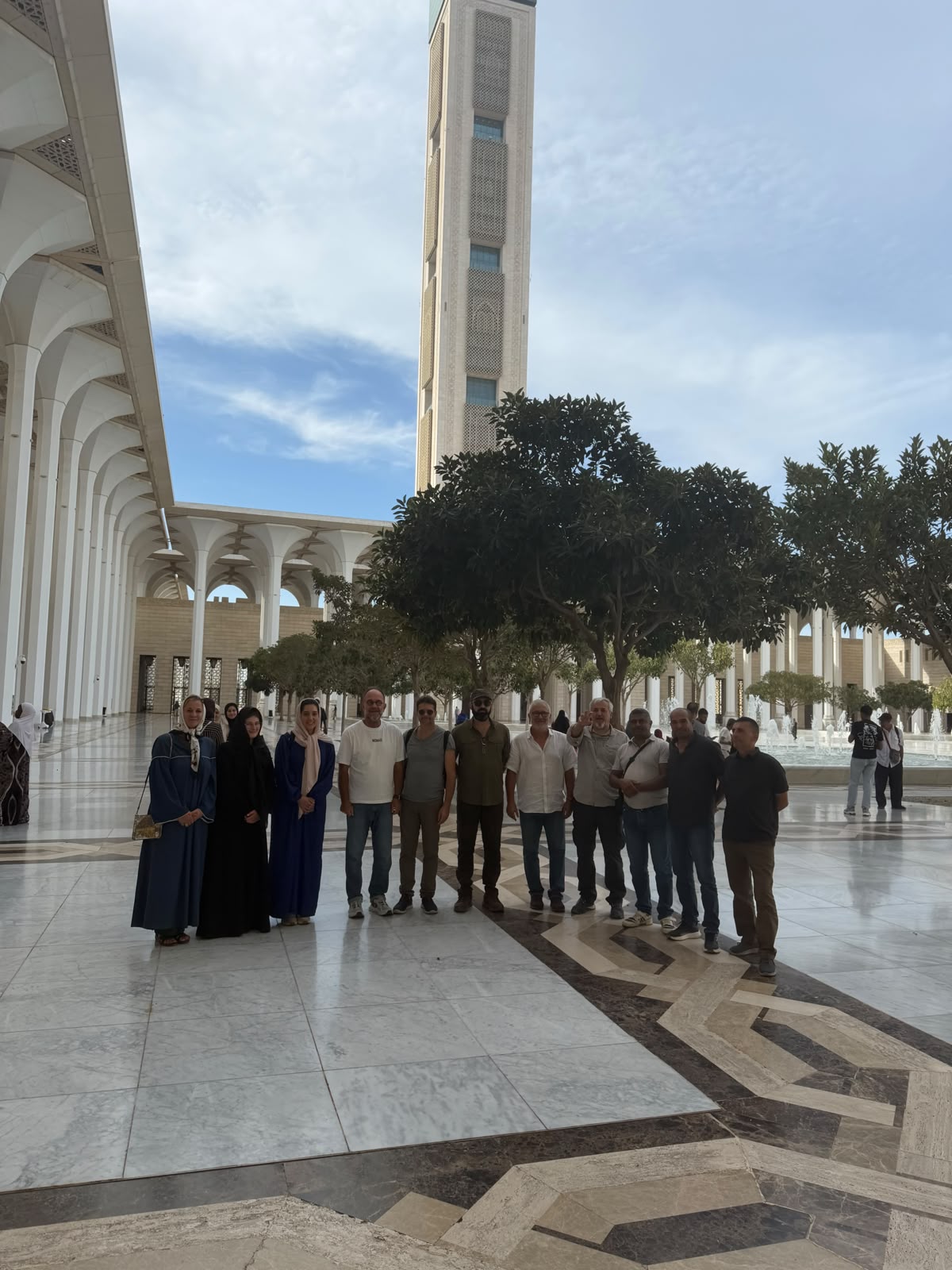
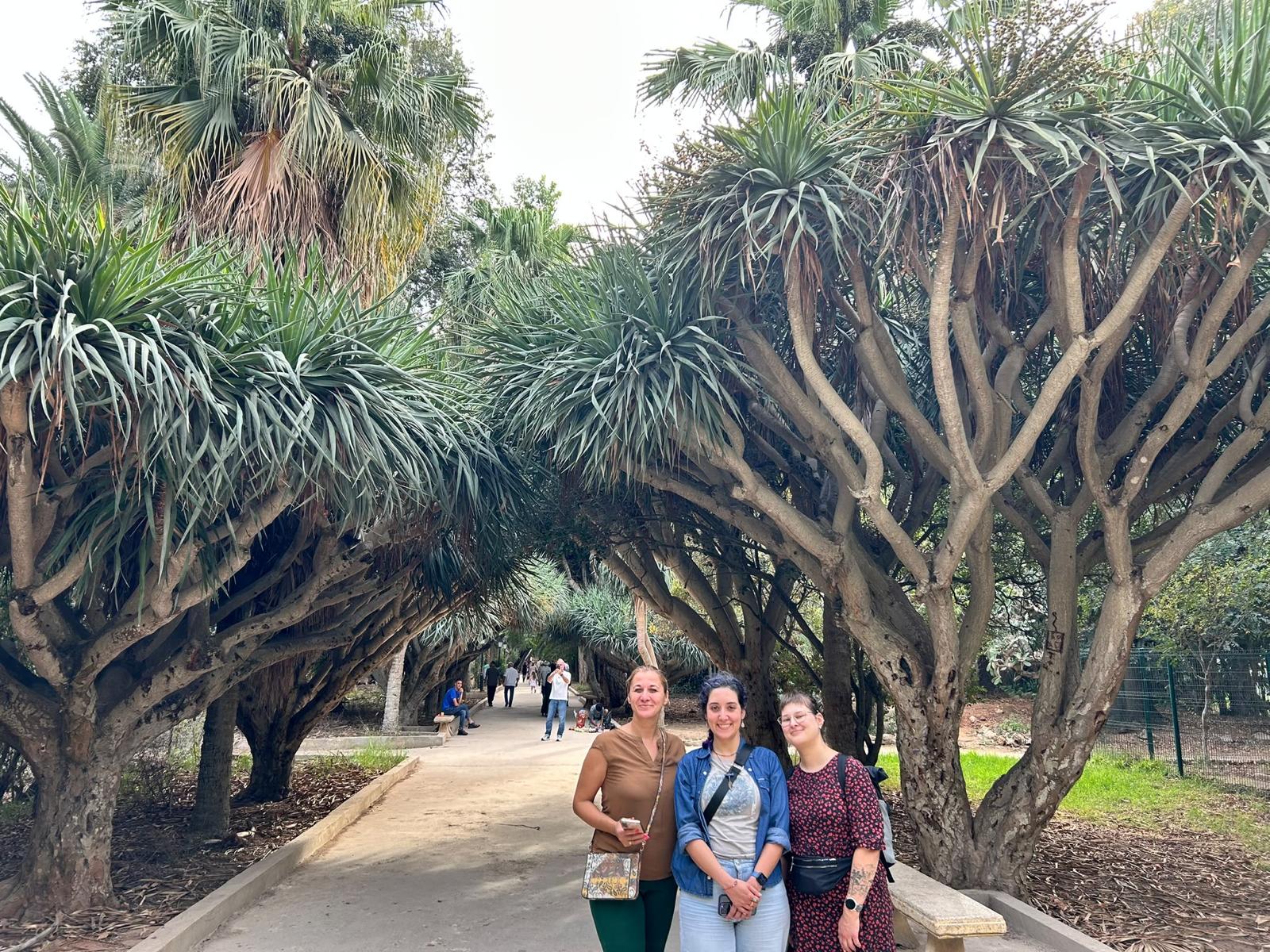
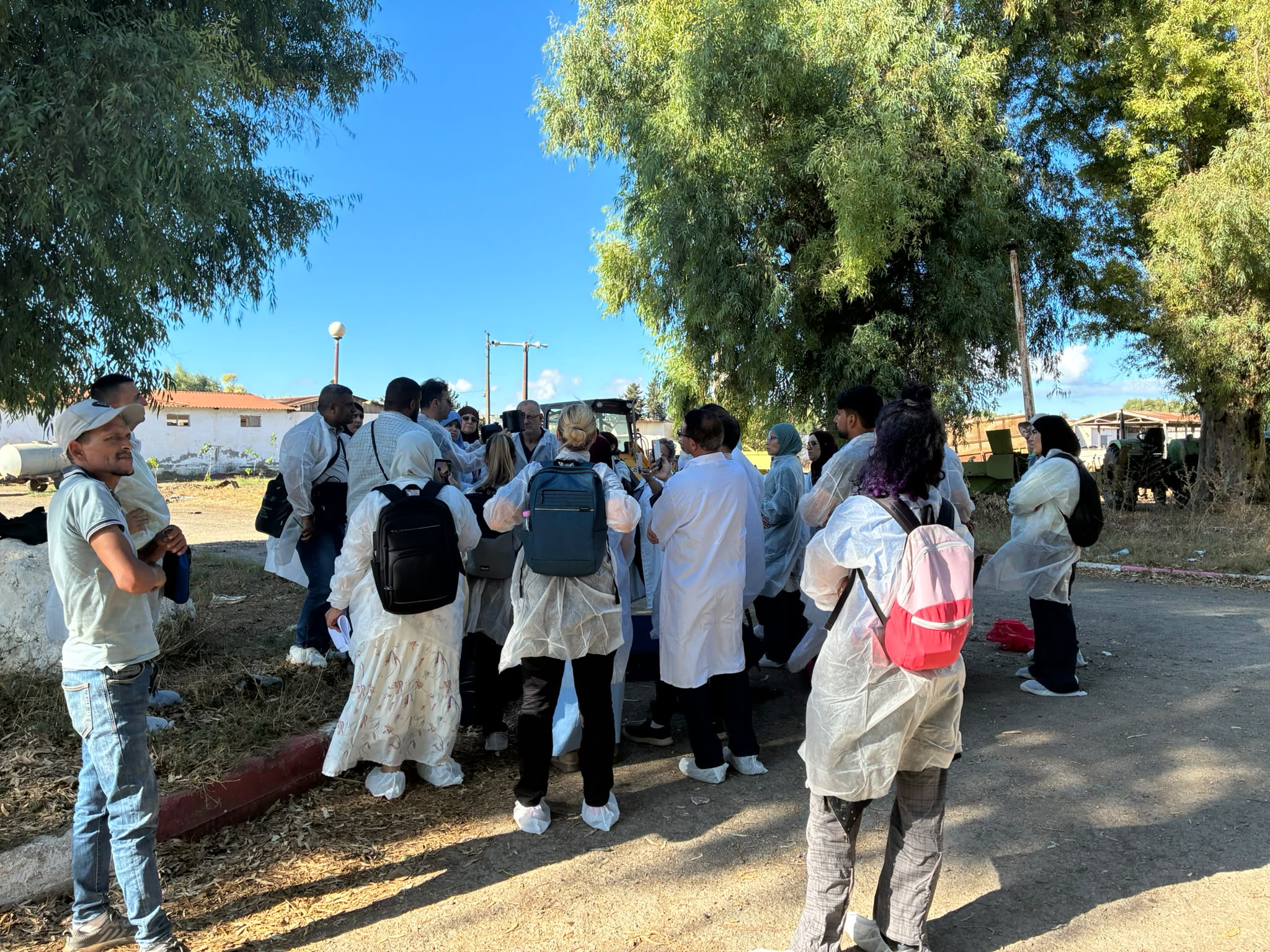
On 12–16 October 2026, Dr. Margarita Kazak (Laboratory of Entomology) took part in the regional training courses held in Algiers, the capital of Algeria, on the methods for trapping, sorting and identifying vectors of diseases of medical and veterinary importance. The researcher was invited to the courses as an international expert responsible for presenting research methods and providing practical training on biting midges (Culicoides).
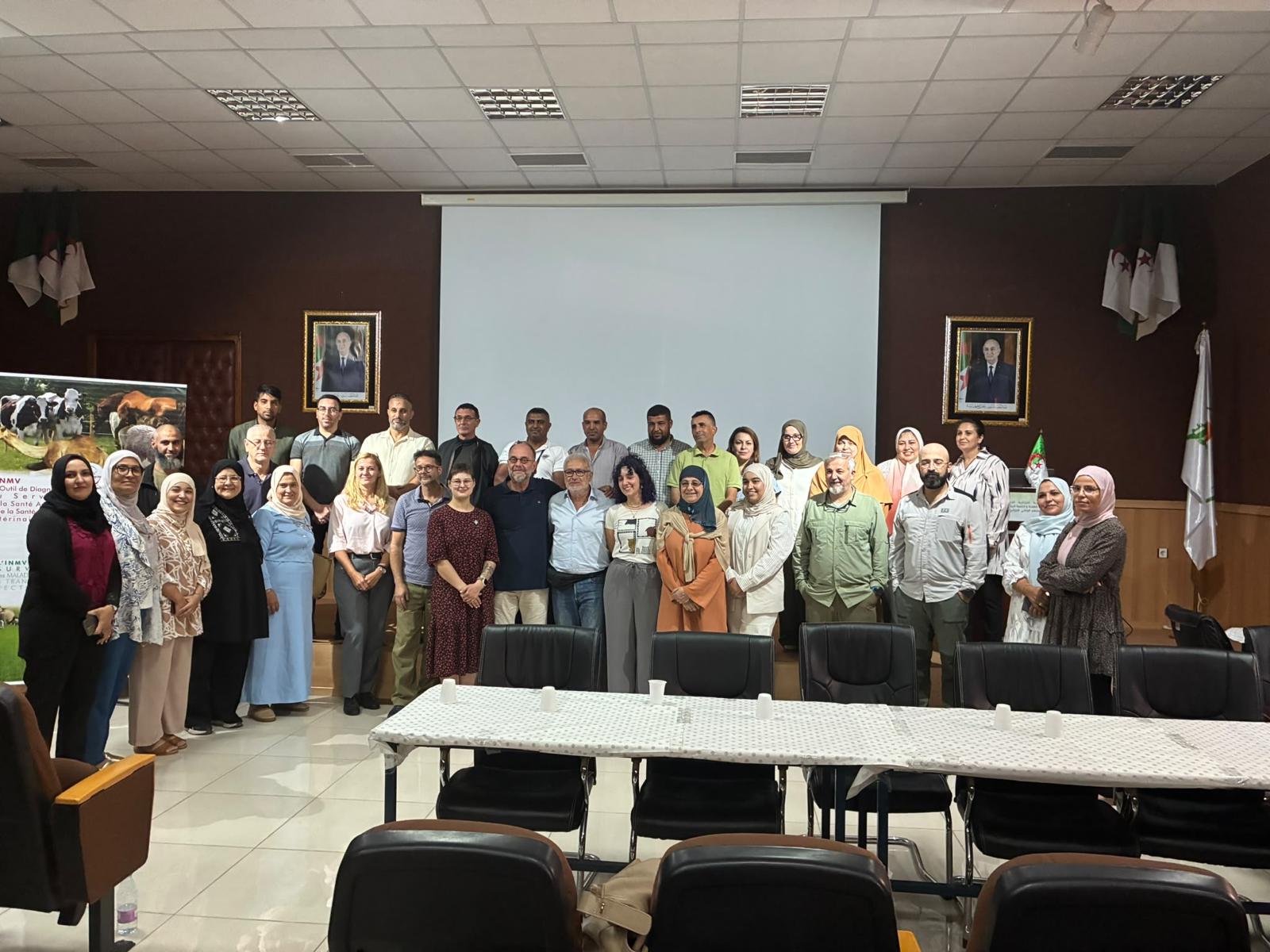
The training was organised and funded by the International Atomic Energy Agency (IAEA). Twenty specialists from Algeria took part in the two-week courses from 12 to 23 October, with the training delivered by eight international experts from four countries – Turkey, France, Serbia and Lithuania.
The main objective of the training was to strengthen the capacity of local specialists to monitor, collect and identify arthropods that transmit disease-causing agents, using both traditional morphological and modern molecular research methods. The training programme covered four groups of vectors of epidemiological importance: biting midges (Culicoides), flies, mosquitoes and ticks.
Dr. M. Kazak together with a French expert Dr. Bruno Mathieu were responsible for providing training on the capture of biting midges (Culicoides), sorting of the collected material and species identification. Collaboration between these scientists began earlier. In 2024, Margarita undertook a three-week placement with Dr. Bruno Mathieu in Strasbourg, and in February 2025, they took part in the training sessions under the same project in Hanoi (Vietnam). As a result of their previous successful collaboration, Dr. B. Mathieu invited the Lithuanian researcher to join the team of experts at the training sessions held in Algeria.
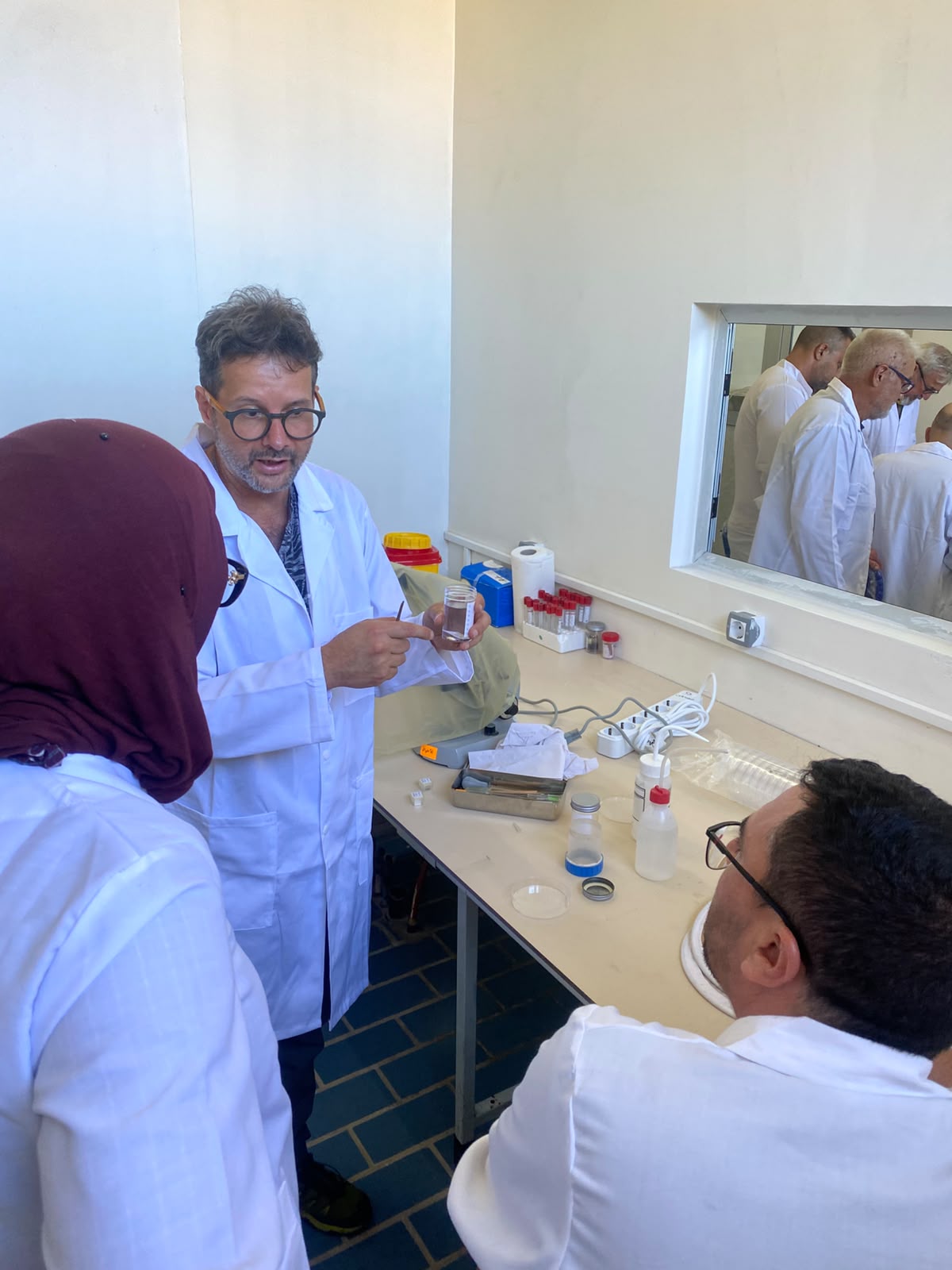
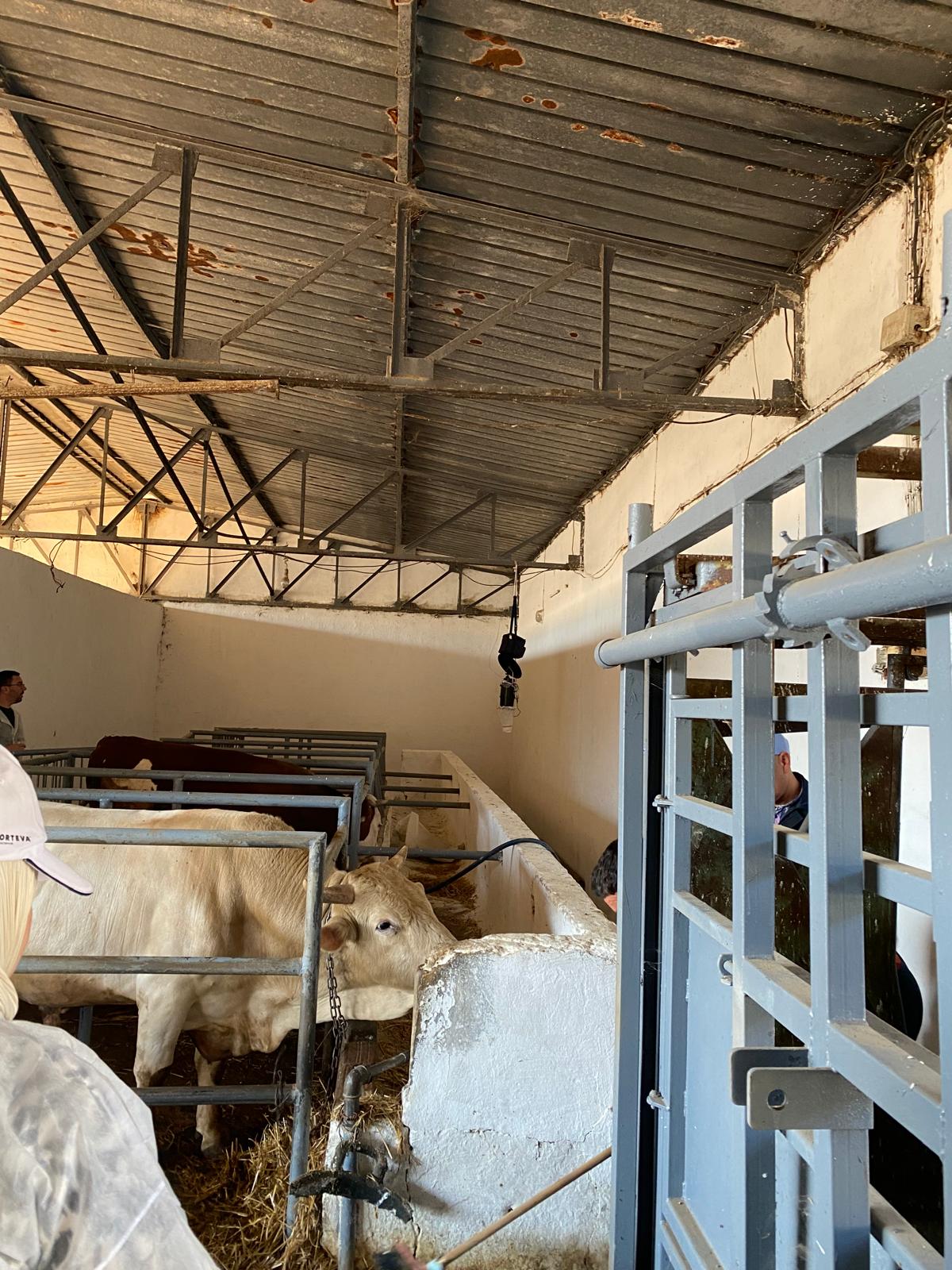
During the first week of the training course, which was attended by Dr. M. Kazak, the main focus was on practical field and laboratory work. The participants learnt about the methods for trapping different groups of vectors, how to select suitable locations for traps, how to set them up in natural habitats, how to collect the trapped insects, and how to prepare samples for the transportation to the laboratory.
During laboratory sessions, participants learnt how to process the collected entomological material, distinguish between different groups of vectors, prepare specimens for morphological examination, and identify organisms to genus level and, where possible, to species level. The practical sessions were supplemented by theoretical lectures on the biology of vectors, the principles of their collection and identification, and the potential application of molecular methods.
Such international training courses are important for strengthening the expertise of specialists and expanding cooperation in the field of vector research. Accurate identification of disease vectors and monitoring of their prevalence are essential for a better understanding of the epidemiology of vector-borne diseases, assessment of the risk of their spread and planning of effective prevention measures.
Dr M. Kazak’s participation in an international team of experts contributes to the dissemination of scientific expertise of the Laboratory of Entomology and enhances the visibility of Lithuanian scientists within the international vector research community.
Text and photographs by the Laboratory of Entomology