Young Scientists and Researchers from Nature Research Centre at “The COINS 2026”

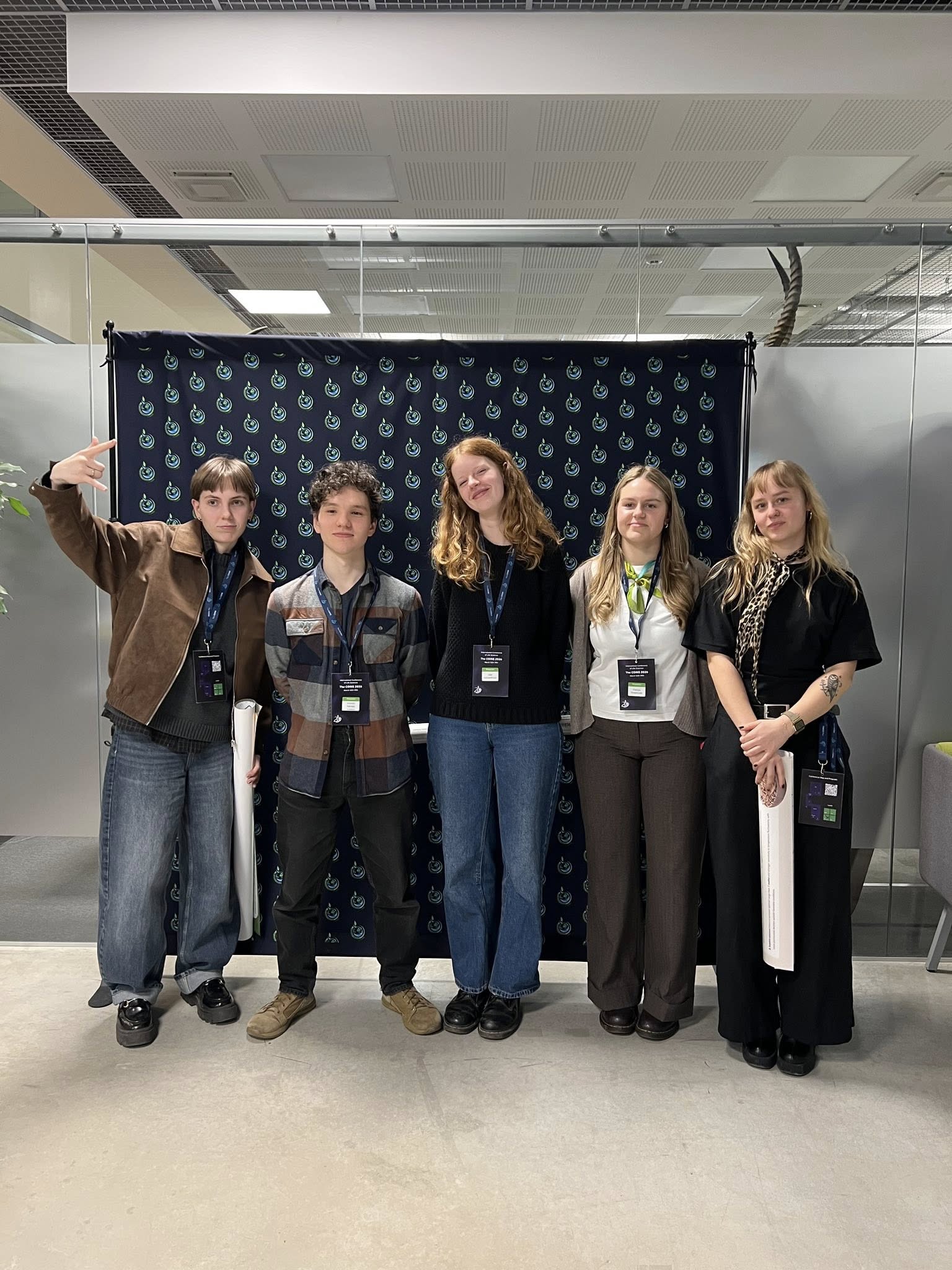
The international life sciences conference “The COINS 2026,” which this year was attended by a large group of young scientists and researchers from Nature Research Centre (NRC), came to a conclusion.  We are delighted that our young colleagues successfully presented their work, covering the most pressing issues in contemporary ecology, parasitology, microbiology, and biotechnology. NRC representatives not only shared their insights during the presentation sessions but also actively contributed to the expert evaluation process, thereby strengthening the centre’s reputation as a leading scientific institution.

Oral presentations at the conference were given by:

  • Misa Shimizu – „New Haemoproteus lineage (hNECMON01) detected from Hooded Vulture (Necrosyrtes monachus) highlights primer selection challenges“;
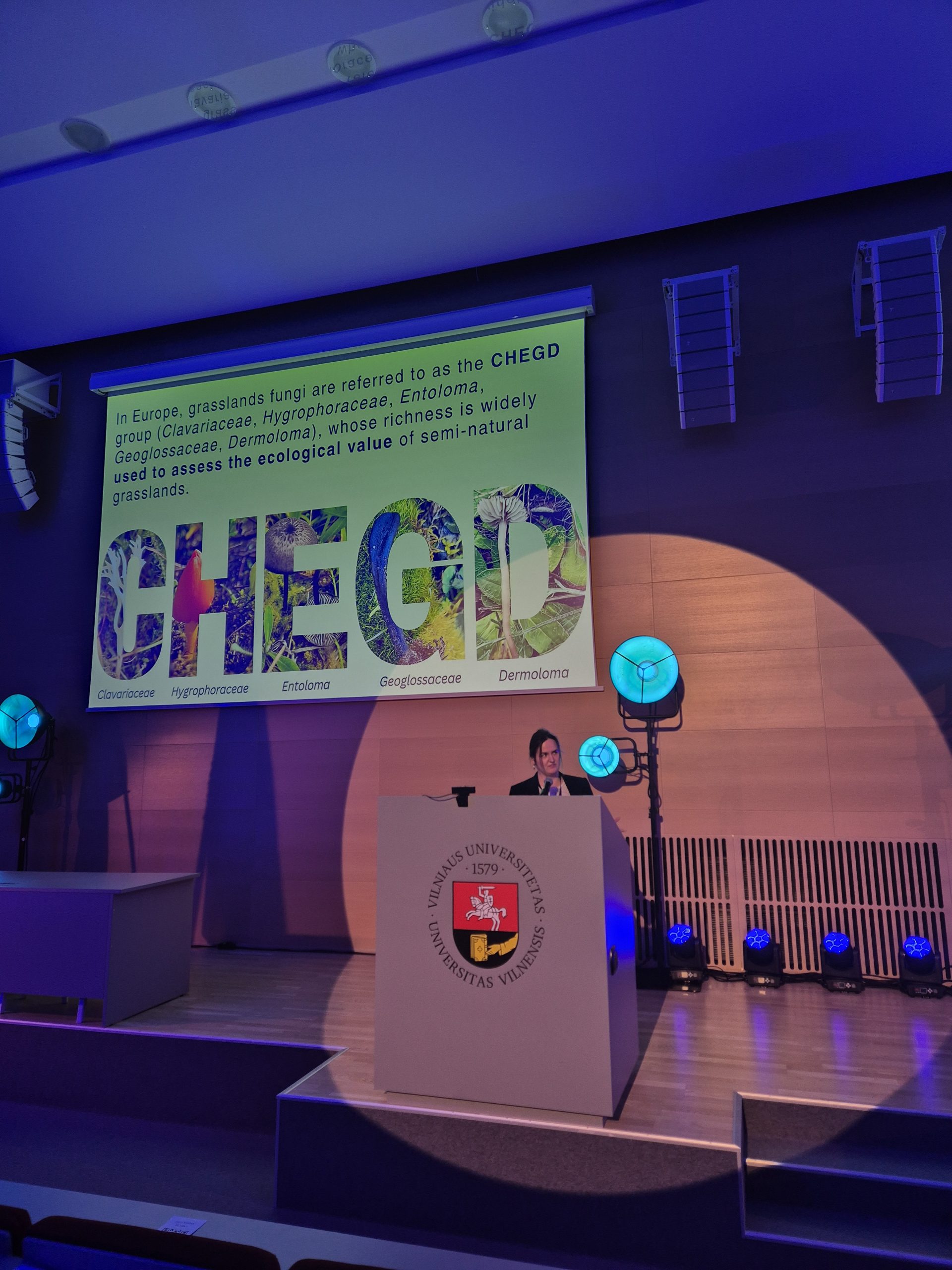
  • Rūta Urbonaitė – „Grassland Fungi in Lithuania: Ecology and Indicatory“;
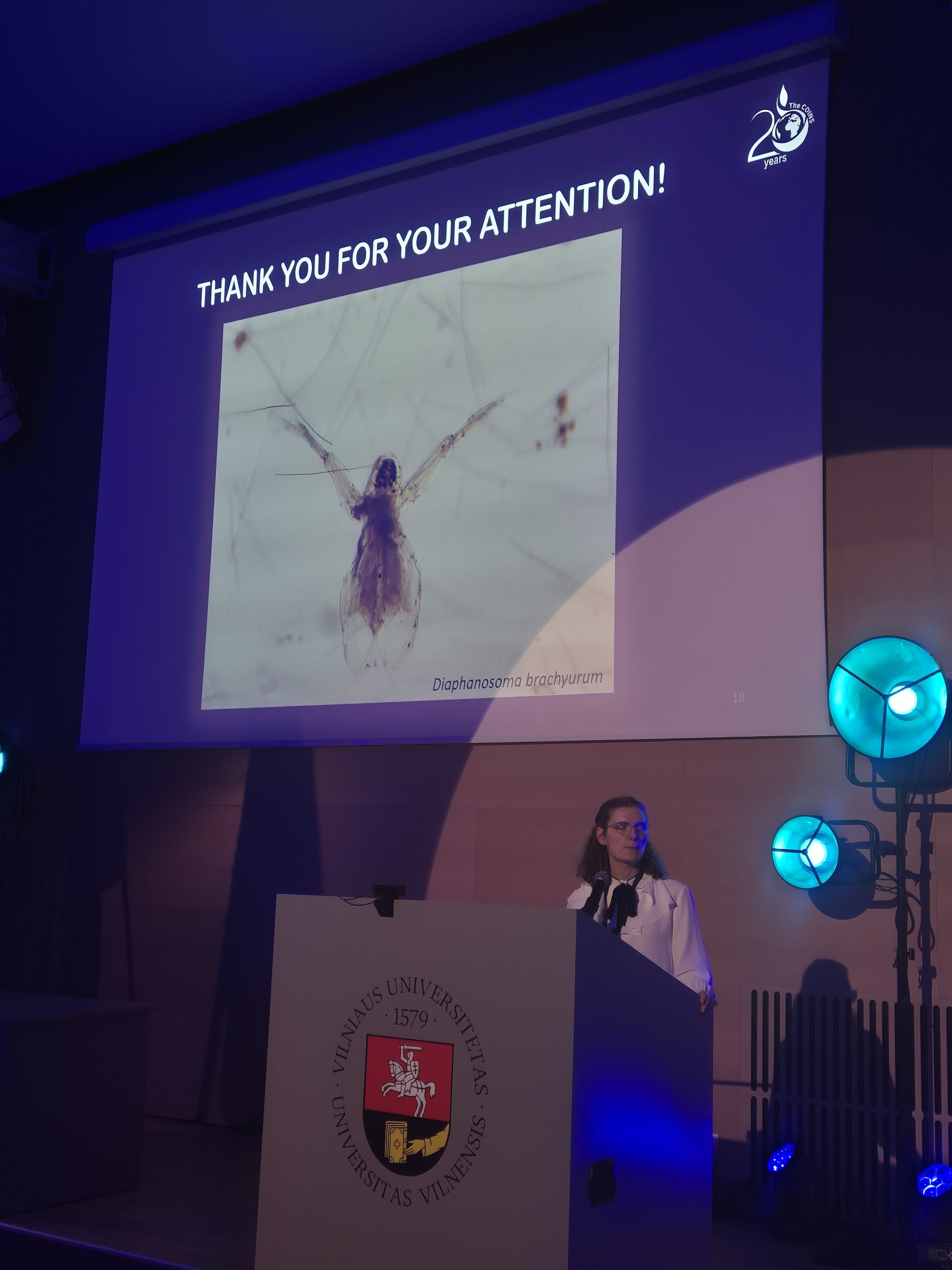
  • Viktorija Arcerytė – „Current Status of Glacial Relict Calanoid Crustaceans in Lithuanian Lakes“;
  • Germán Alfredo Gutiérrez Liberato – „Elusive Parasites: the Challenge of Studying Lankesterella in Their Natural Hosts and Vectors“.

Poster presentations were delivered by:

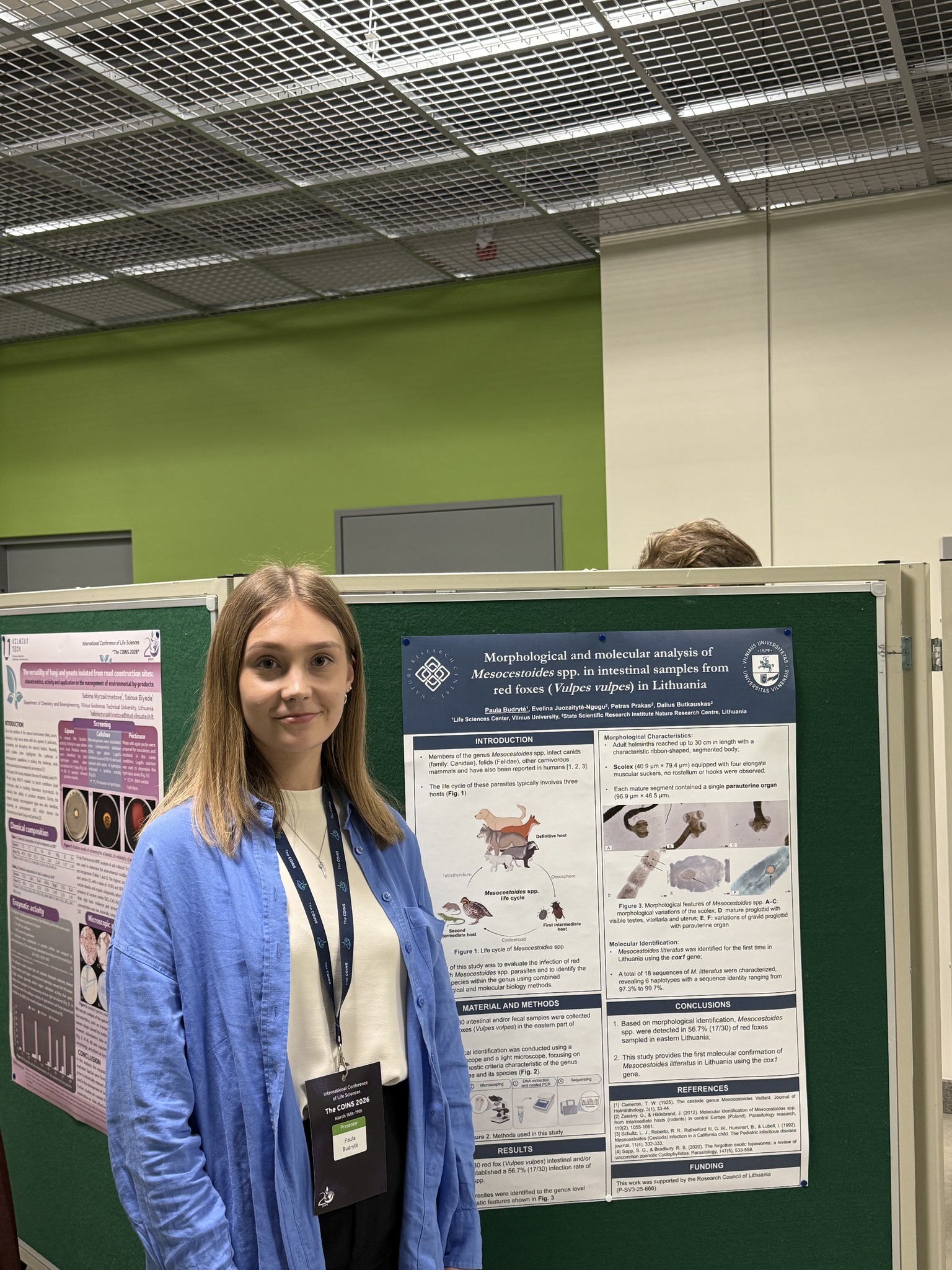
  • Paula Budrytė – “Morphological and Molecular Analysis of Mesocestoides In Intestinal Samples from Red Foxes (Vulpes Vulpes) In Lithuania”;
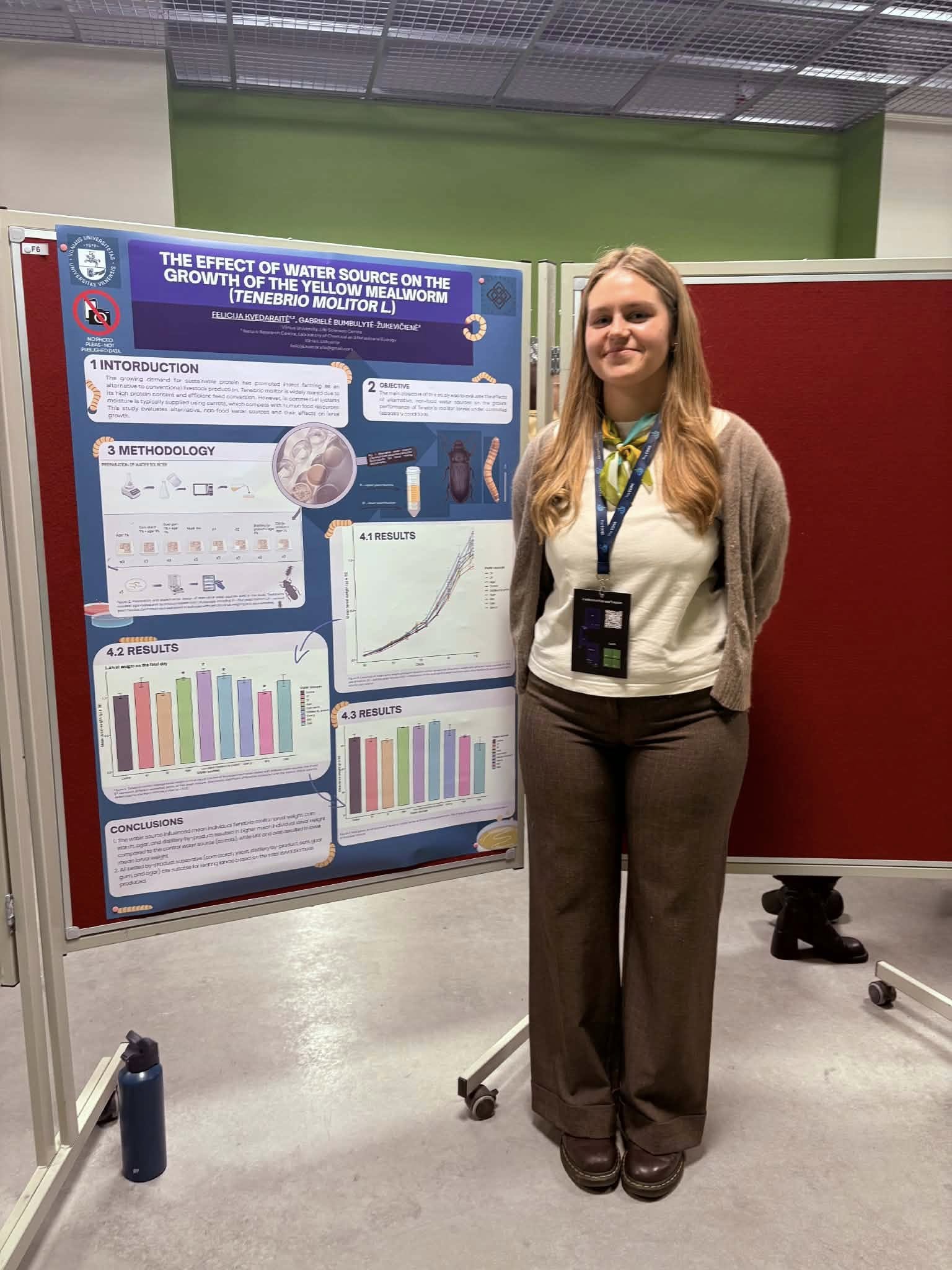
  • Felicija Kvedaraitė – “The Effect of Water Source on The Growth of The Yellow Mealworm (Tenebrio Molitor)”;
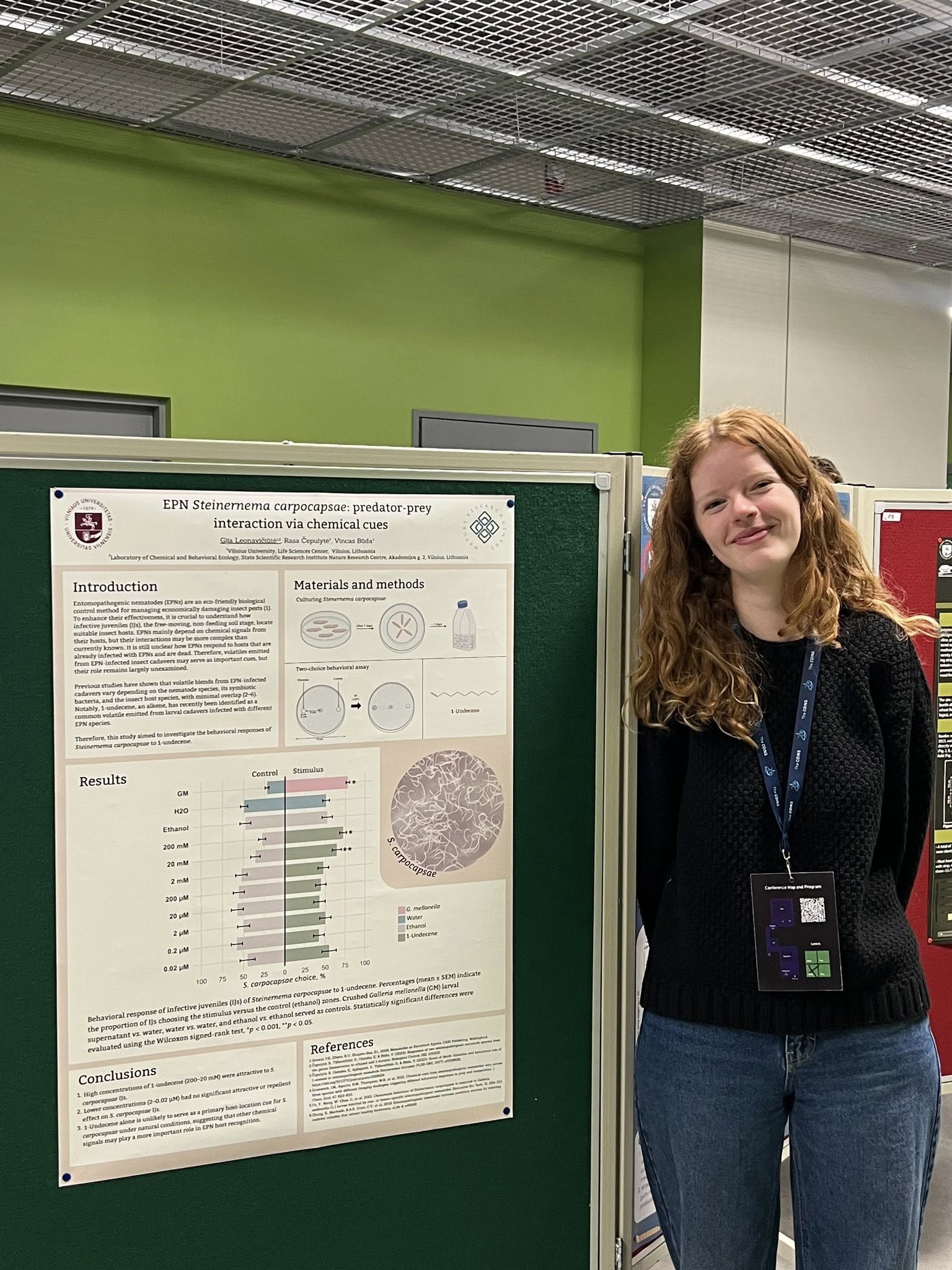
  • Gija Leonavičiūtė – “EPN Steinernema carpocapsae: predator-prey interaction via chemical cues”;
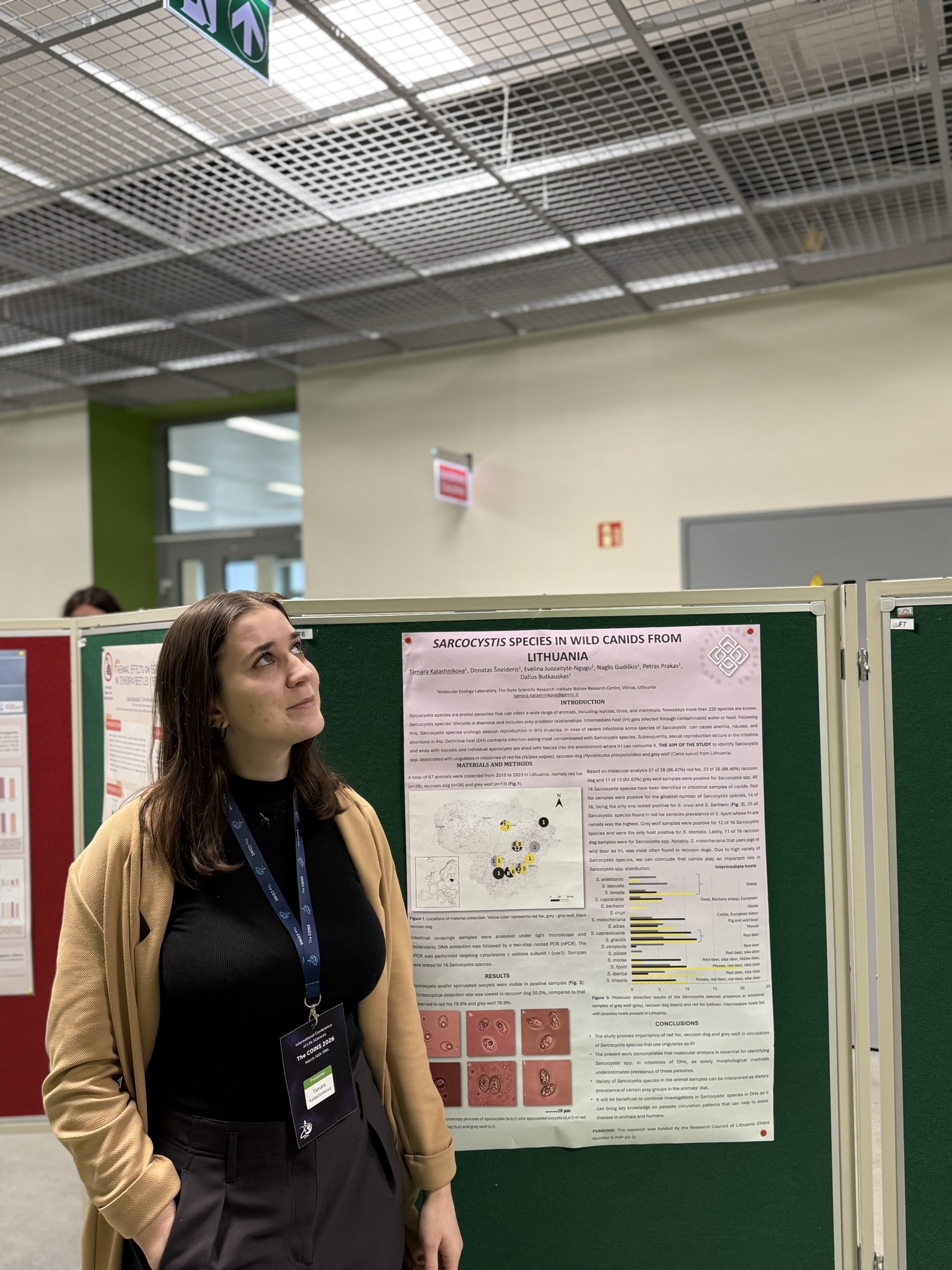
  • Tamara Kalashnikova – “SarcocystisSpecies in Wild Canids from Lithuania”;
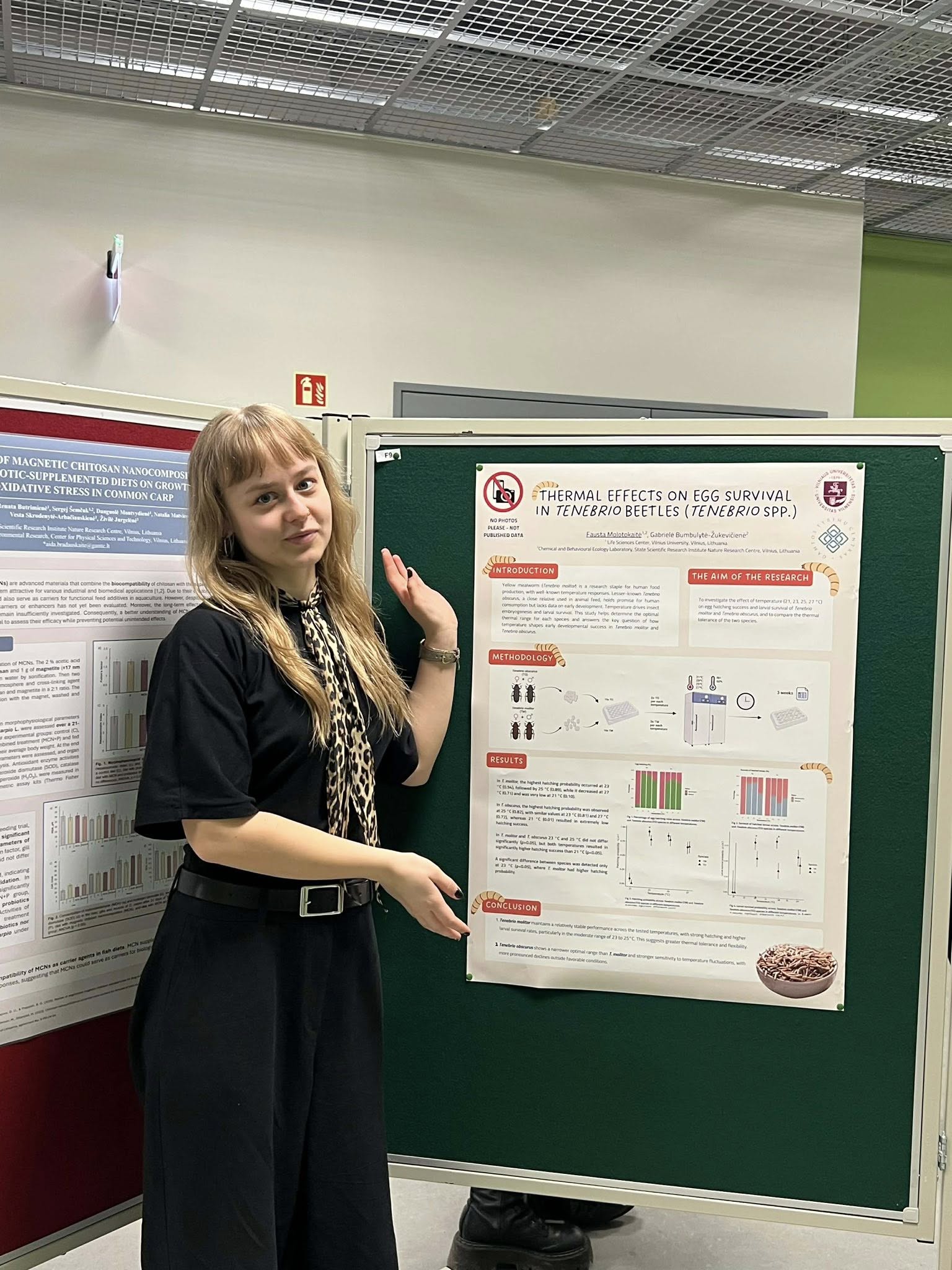
  • Fausta Molotokaitė – “Thermal Effects on Egg Survival in Tenebrio Beetles (Tenebrio)”;
  • Alper Melih Ucar – “Occurrence of Antibiotic Resistance Genes and Potential Resistance Plasmids in Farmland-Associated Bacteria”;
  • Vytautas Račkauskas – “Alien Species Otiorhynchus armadilloand  pseudonothus (Coleoptera: Curculionidae) in Lithuania: Distribution, Trophic Associations, and Molecular Variation”;
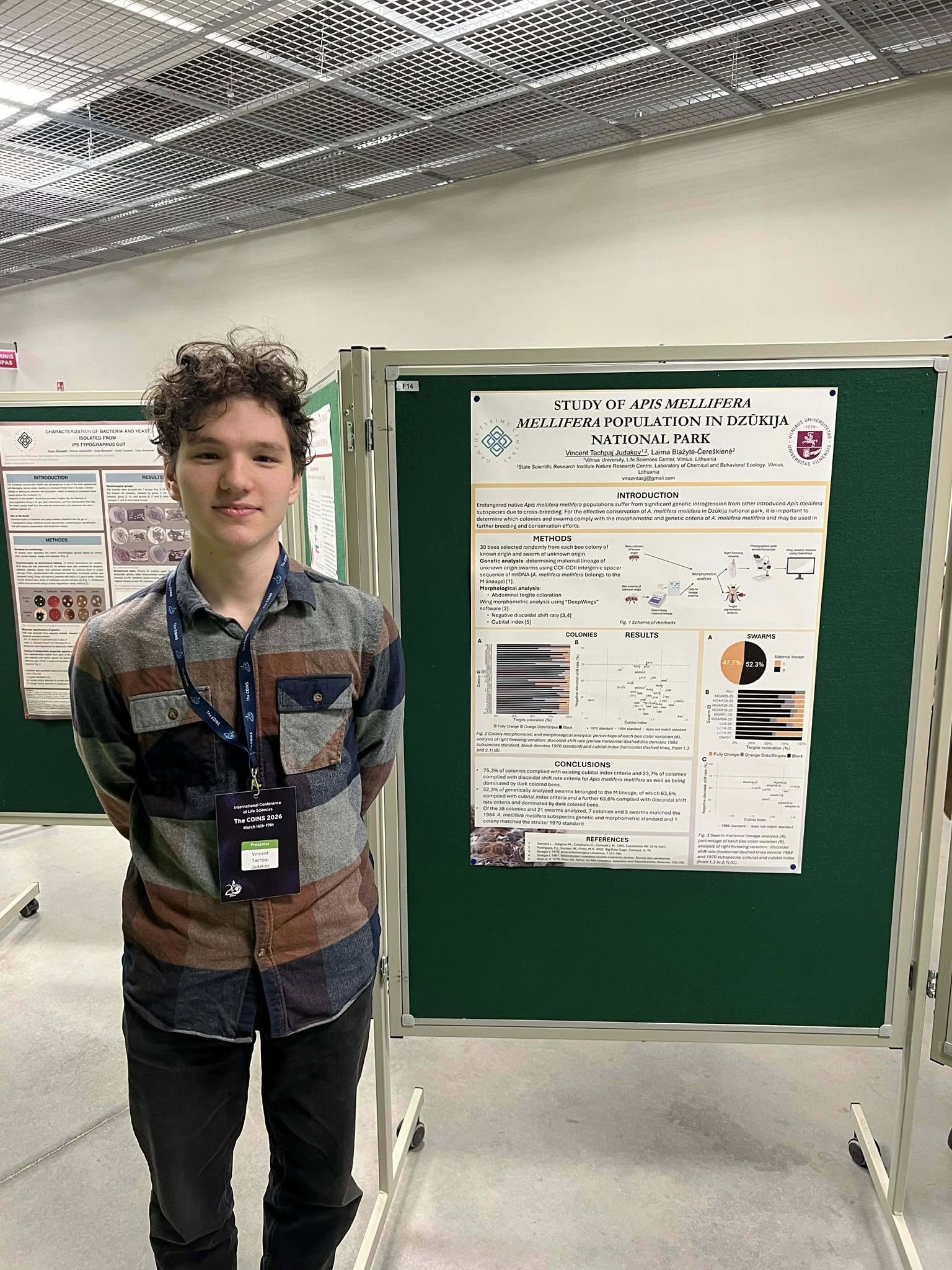
  • Vincent Tachpaj Judakov – “Study of Apis mellifera melliferaPopulation in Dzūkija National Park”;
  • Rusnė Žilinskaitė – “Characterization of Bacteria and Yeast, Isolated from Ips typographusGut”;
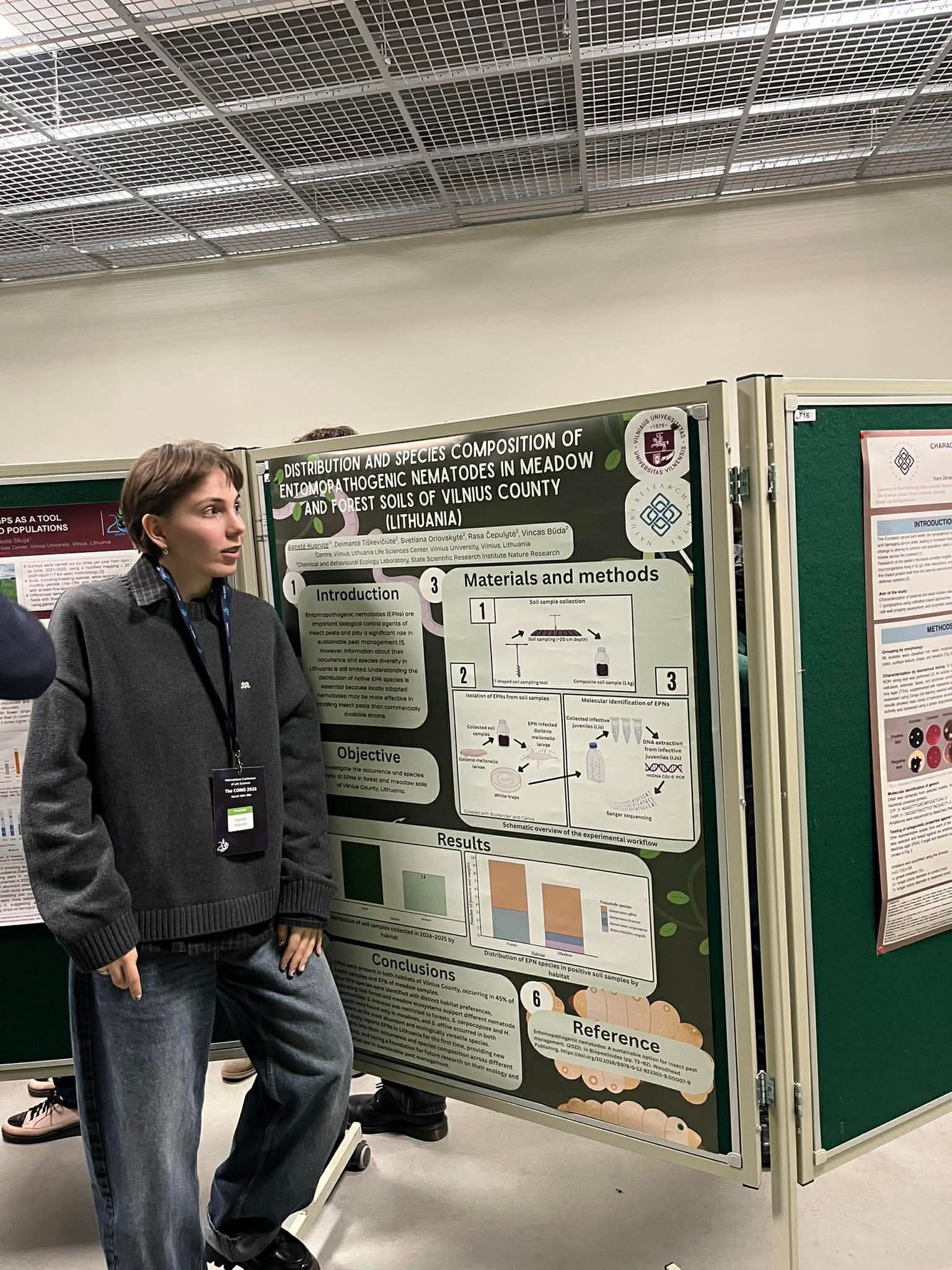
  • Agnetė Kuprytė – “Distribution and Species Composition of Entomopathogenic Nematodes in Meadow and Forest Soils of Vilnius County (Lithuania)”;
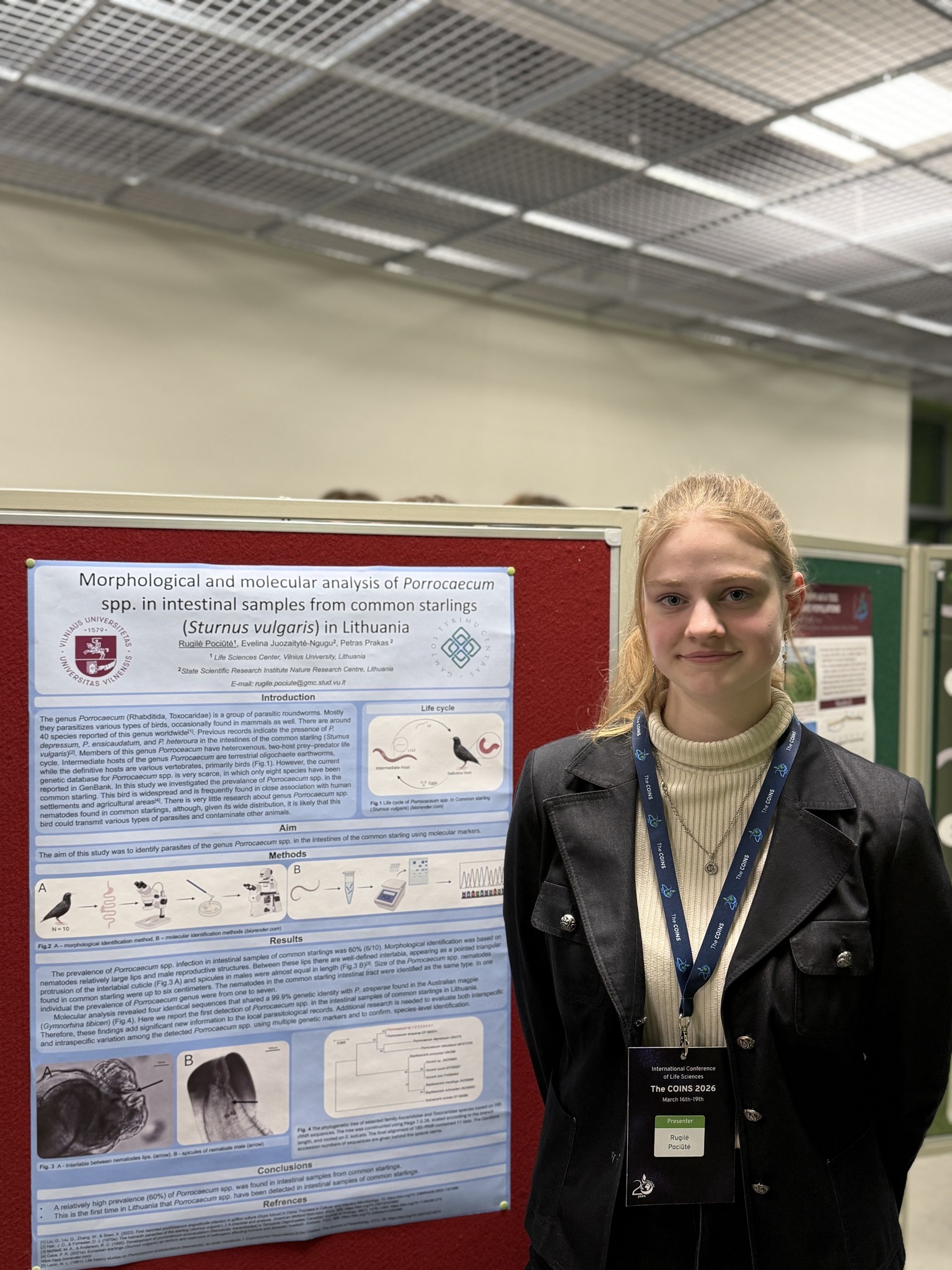
  • Rugilė Pociūtė – “Morphological and Molecular Analysis of Porrocaecum In Intestinal Samples from Common Starlings (Sturnus Vulgaris) in Lithuania”;
  • Augustinas Baronas – “Changes in The Spring Migration Phenology of Long-Distance Migrant Willow Warbler Based on Ventė Cape Ringing Data from 1983–2024”;
  • Greta Šaltytė – “The impact of herbicides with different modes of action on the growth and physiological stress responses of winter wheat”;
  • Martynas Balsys – “Urban Meadows in Vilnius: Vegetation Composition and Ecological Condition”;
  • Gabrielė Šiurkutė – “Halotolerance of Phytoplankton and Invasion Success of Nostocalean Cyanobacteria Under Freshwater Salinization”;
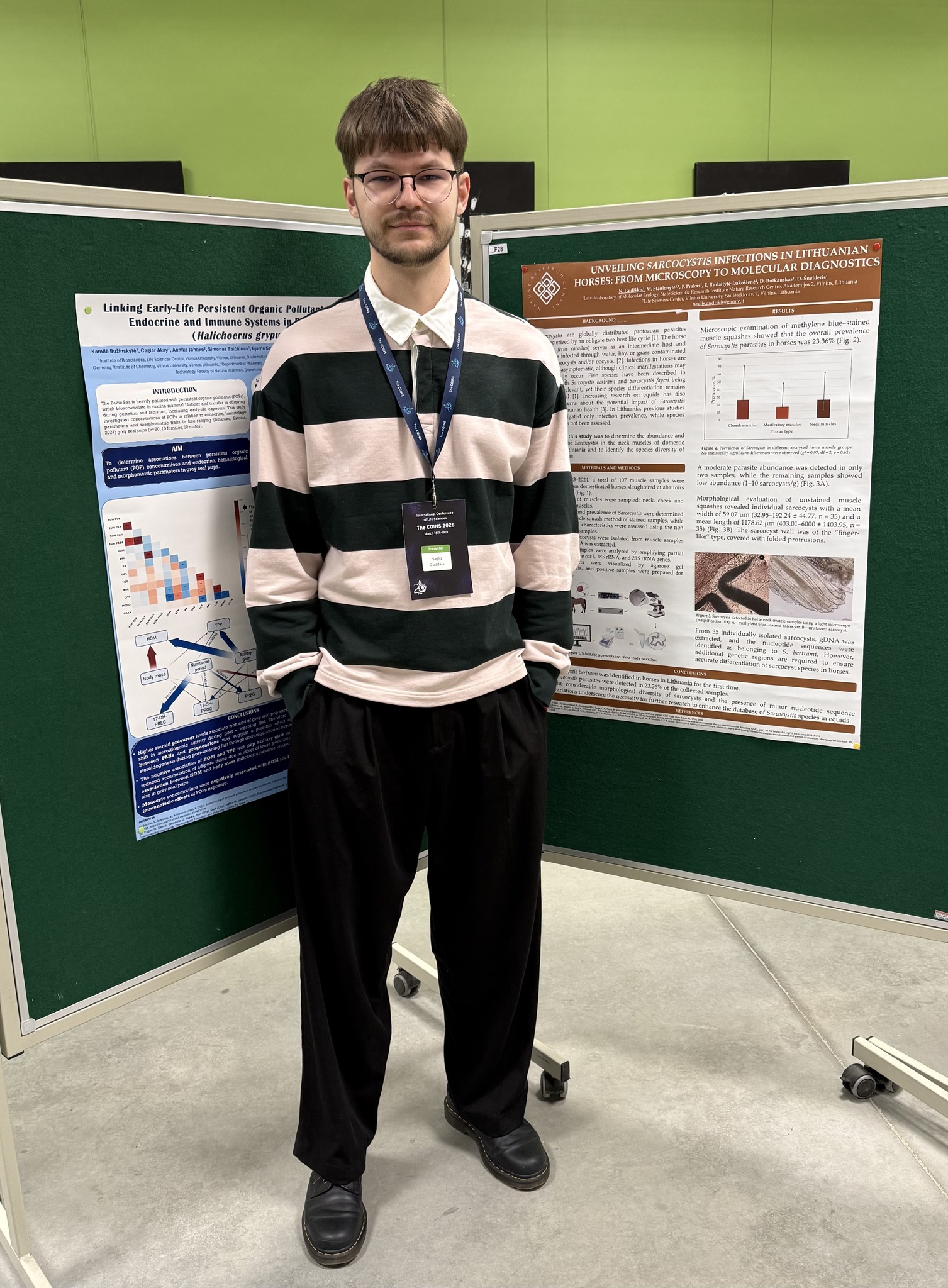
  • Naglis Gudiškis – “Unveiling SarcocystisInfections in Lithuanian Horses: from Miroscopy to Molecular Diagnostics”;
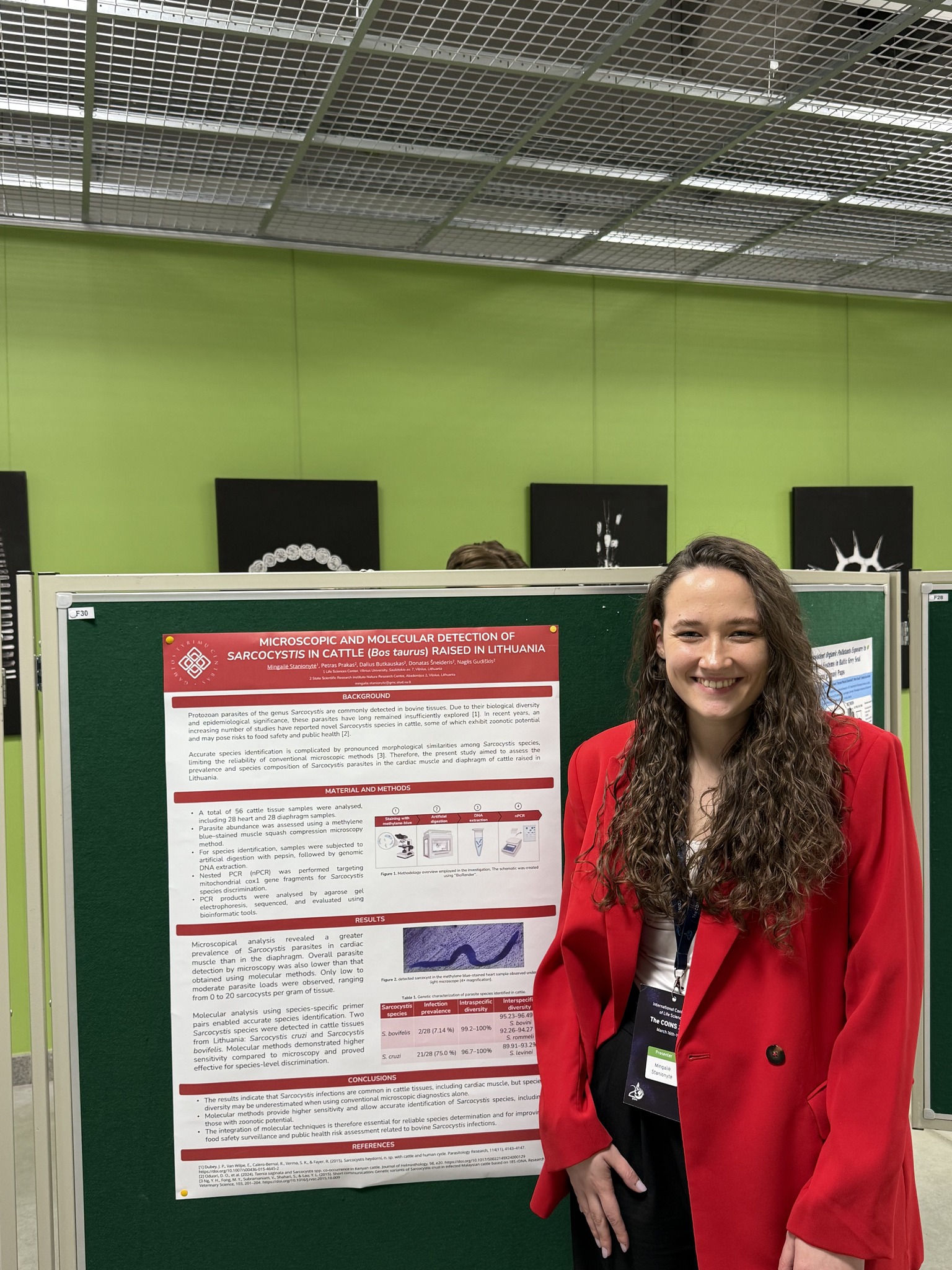
  • Mingailė Stanionytė – “Microscopic and Molecular Detection of Sarcocystisin Cattle (Bos taurus) Raised in Lithuania”;
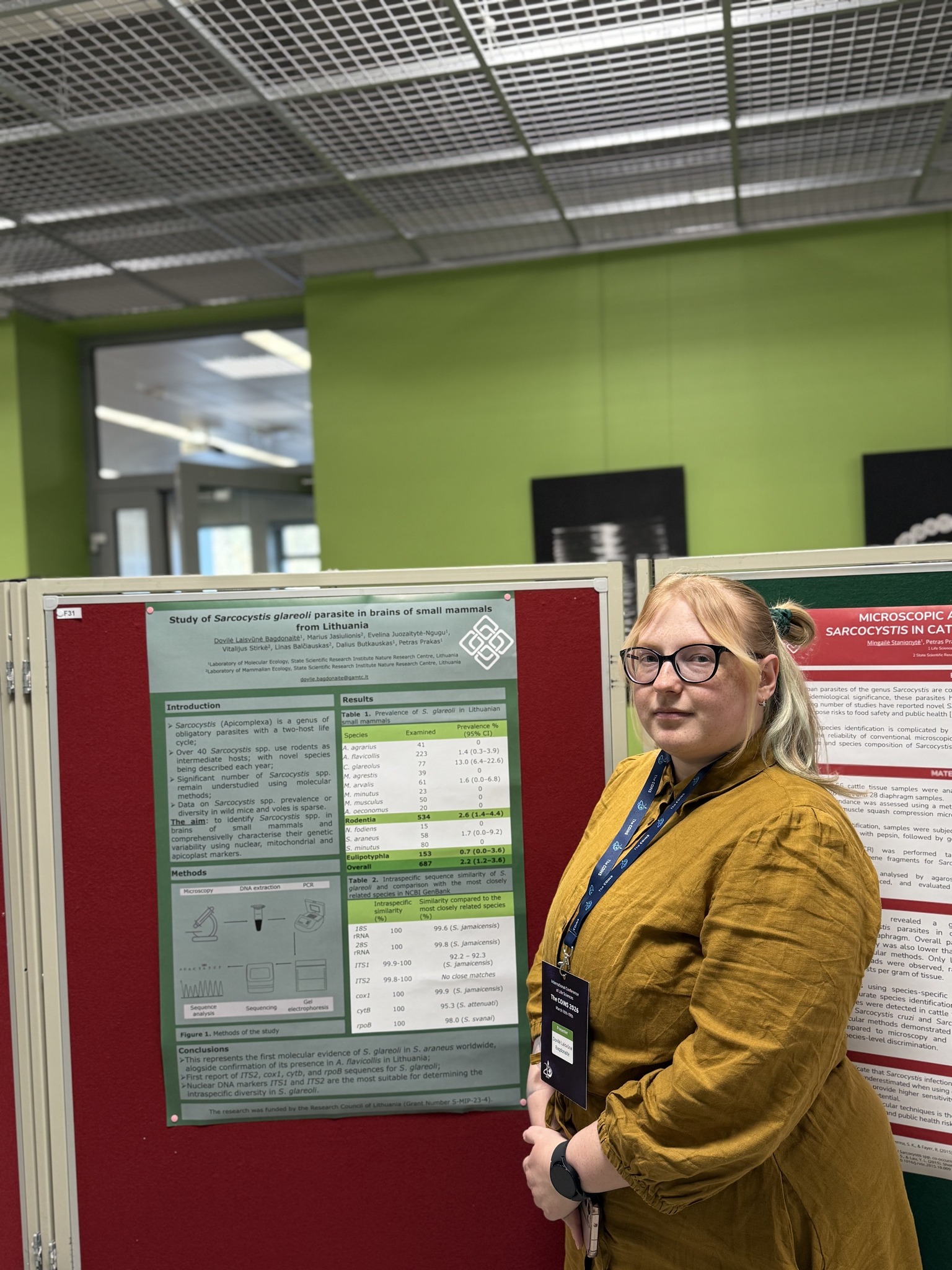
  • Dovilė Laisvūnė Bagdonaitė – “Study of Sarcocystis glareoliparasite in brains of small mammals from Lithuania”;
  • Gintarė Grainytė – “Characterization of Microorganisms Found on the Surface of Dead Honey Bees”;
  • Urtė Busilaitė – “The Impact of Essential Oil on the Diversity of Honeycomb-Associated Microorganisms”;
  • Erikas Abrutis – “Yeast-Based Production of β-Carotene: Optimization of Growth Conditions and Culture Media”;
  • Rugilė Jonaitytė – “Biofilms Electrogenicity as a Tool for in-situ Metabolic Activity Monitoring and Drug Assessment”;
  • Yuliia Lysak – “Selection and Functional Assessment of Endophytic Plant Growth-Promoting Bacteria from Winter Wheat (Triticum aestivum)”;
  • Egidijus Pupius – “Pilot Study of Facultative Bacterial Symbionts Associated with Aphis spiraecola(Hemiptera, Sternorrhyncha: Aphididae) from Pomoideous Hosts (Rosaceae)”.

Congratulations to all our colleagues on their excellent performance!

×