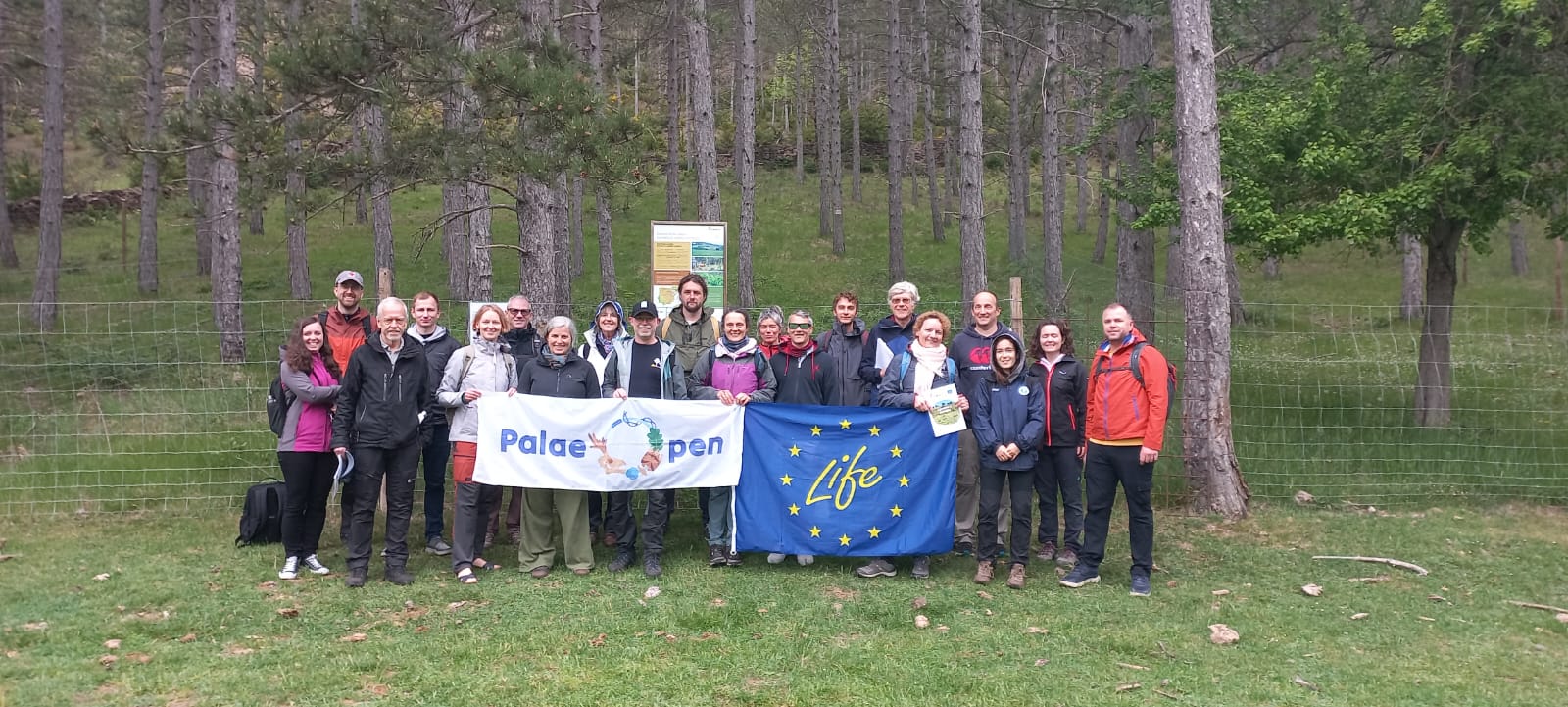
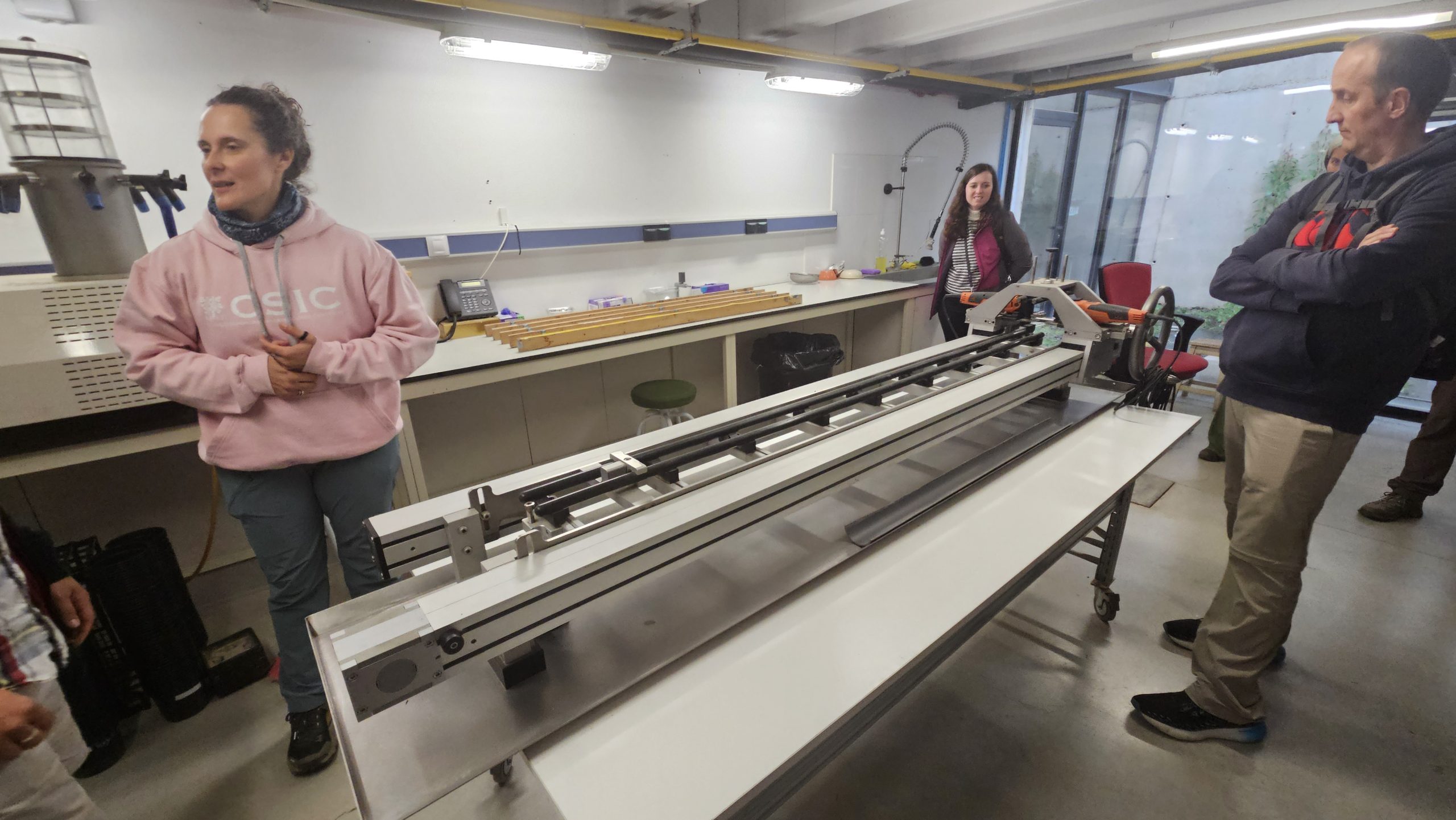
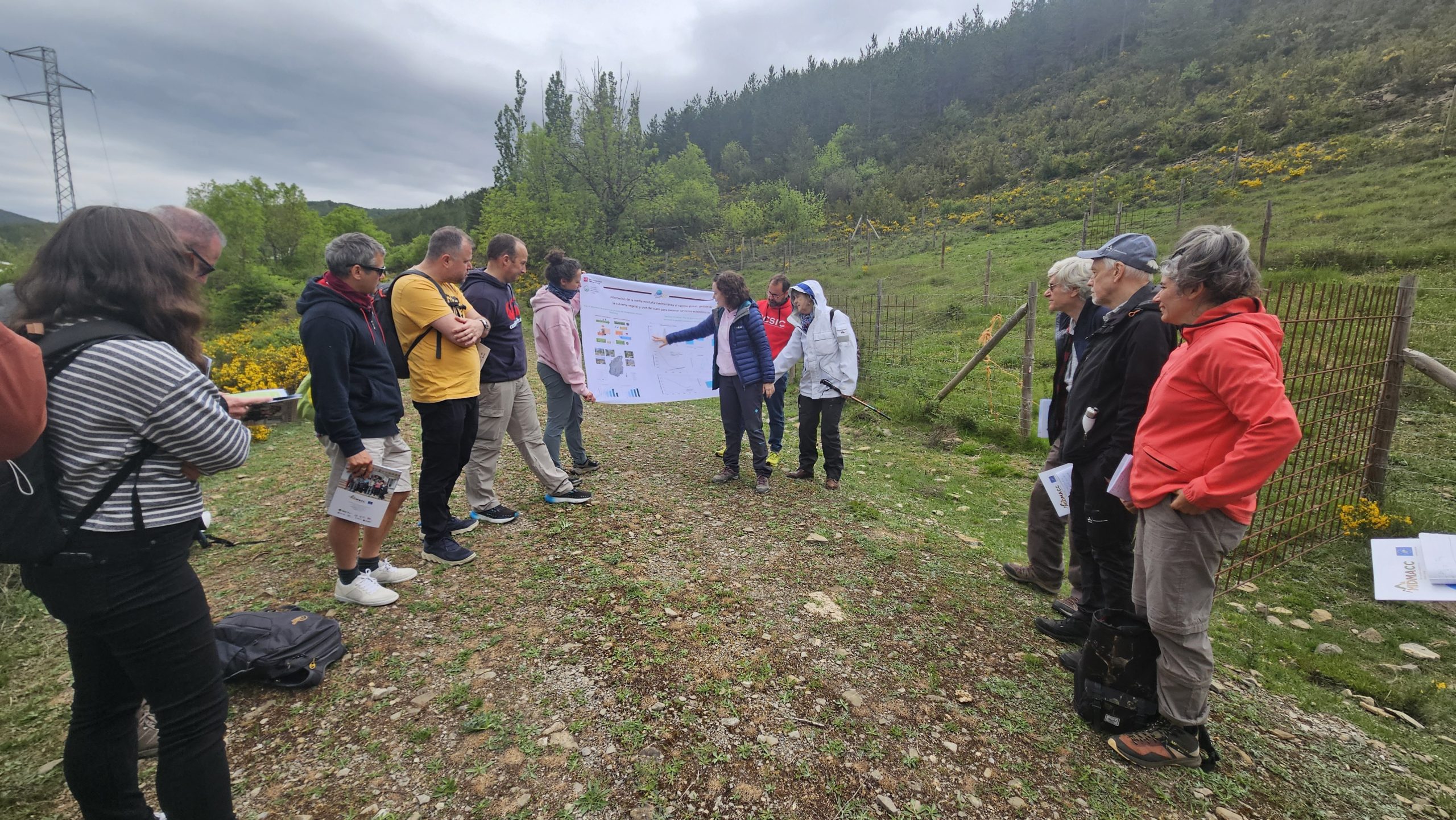
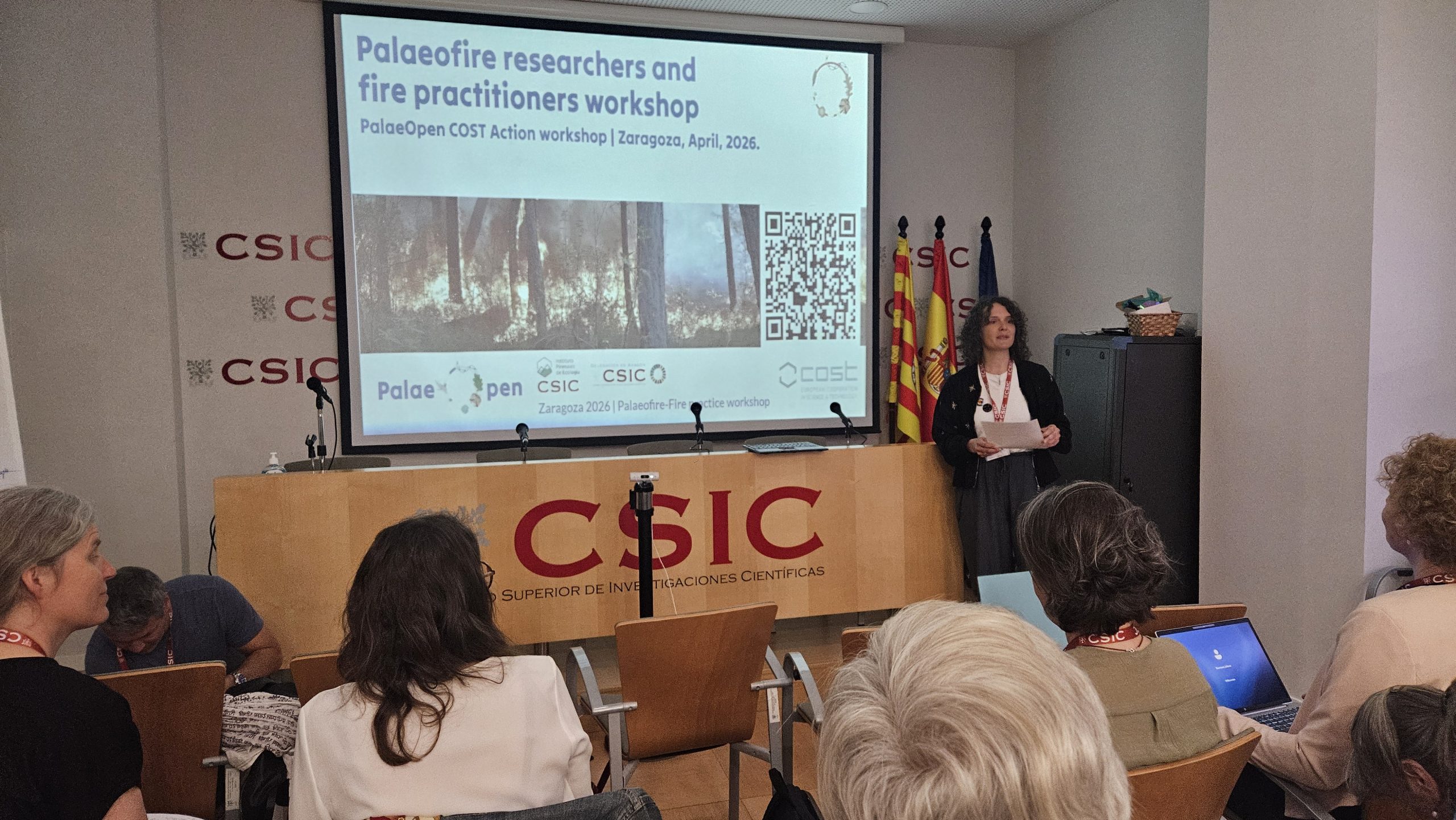
On April 27–29, the CSIC headquarters in Zaragoza, Spain, hosted an international workshop intended for discussing the application of the findings of paleofire science to modern fire management and environmental protection practices. The event was attended by scientists, practitioners (fire managers, foresters), and policymakers, with the aim of strengthening the dialogue between science and practice. The workshop was also attended by Laura Gedminienė, NRC Senior Researcher. The event was partially funded by COST (CA23116). The main objective of the workshop was to combine scientific knowledge about historical fire regimes with modern management and decision-making practices. On the first day, research findings were presented and a common methodological framework was established, with discussions taking place among representatives from various fields; on the second day, intensive group discussions took place, along with work on developing practical tools and policy recommendations, and on the third day, participants were on a field excursion to the Pyrenees region, where they discussed the practical aspects of fire management, controlled burns, and landscape characteristics. The participants visited the Institute of Ecology, where they were introduced to the methodology of collecting samples for analysis, as well as techniques for processing and storing samples. They also learned about the region’s paleoecological history, as well as the history of ancient fires and human settlement.
During practical sessions, participants worked in mixed groups to analyze key issues related to the limitations of current fire management principles, the benefits of paleofire science for decision-making, the application of scientific data in practice, and improving communication among different stakeholder groups. During discussions, it became clear that short-term observational data are often insufficient to understand long-term changes in fire regimes, making it necessary to rely on paleoecological studies. It was also emphasized that fire is a natural part of many ecosystems, so effective management strategies should be based on analyses of long-term processes. The participants agreed that it is necessary to better integrate indicators such as fire frequency, intensity, and biomass burned into practical decision-making and risk assessment tools.
The event highlighted the significant potential of paleofire science in contributing to more sustainable landscape and fire management. However, it also pointed out the need to strengthen interdisciplinary collaboration, improve communication of scientific findings, and develop clearer practical tools. The workshop also emphasized that it is important to integrate long-term fire data into existing policy and management systems and to develop joint solutions among scientists, practitioners, and policymakers, thereby making fundamentals for more effectively addressing future challenges.